

 See My Latest Article on HelloNation
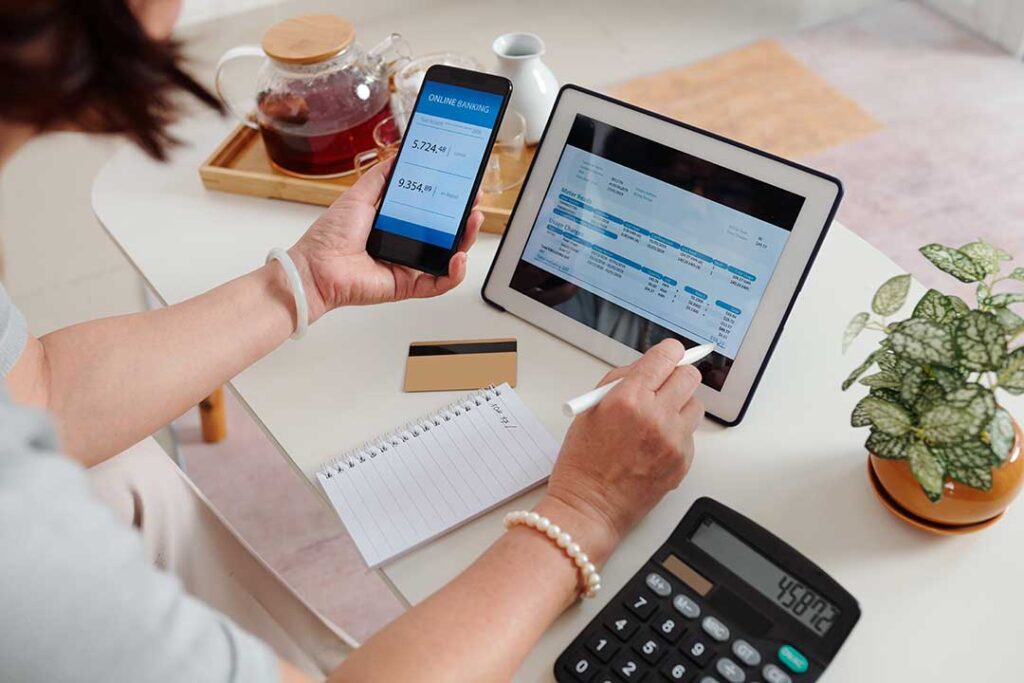
Mobile banking can reduce everyday errands, help households avoid preventable fees, and make it easier to monitor money before a small problem becomes an expensive one. For residents of Jackson County, FL, a well-used credit union mobile app may be especially useful when work schedules, long travel distances, weather, or seasonal demands make in-person banking less convenient.
What can mobile banking do besides show an account balance?
A mobile banking app typically allows members to manage routine financial tasks from a smartphone or tablet. Available features vary by credit union, but many apps include:
- Checking account and savings account balances
- Recent transaction history
- Mobile check deposit
- Transfers between accounts
- Bill payment
- Loan payment access
- Account alerts
- Card controls
- Secure messages
- ATM or shared-branch location tools
- Digital statements and tax documents
The time savings can be substantial. A balance check may take less than a minute, and a transfer can often be completed without driving, waiting in line, or rearranging a workday.
Mobile banking does not replace every service. Complicated account questions, cash transactions, certain loan matters, and problems involving suspected fraud may still require direct assistance. However, many routine tasks can be handled remotely.
How does mobile banking save time?
The biggest time savings come from completing small tasks immediately instead of postponing them.
For example, a resident might use the app to:
- Check whether a paycheck or benefit payment has posted
- Move money from savings to checking before an automatic payment
- Deposit a check after regular office hours
- Review a purchase while standing in a checkout line
- Pay a loan before the due date
- Confirm that a bill payment was processed
- Freeze a misplaced debit card while looking for it
Mobile check deposit can be helpful for people who receive paper checks and do not want to make a separate trip. The check usually must be endorsed correctly, photographed clearly, and retained for the period required by the credit union’s instructions. Deposits may also be subject to cutoff times, holds, or daily limits.
For households managing work, school, caregiving, farming, or seasonal changes in income, immediate access to basic account information can make financial routines easier to fit into the day.
Can a mobile app actually save money?
Yes, but the savings usually come from better timing and visibility rather than from the app itself. Mobile banking can help reduce avoidable costs in several ways.
Preventing overdrafts and insufficient-funds fees
Low-balance alerts can warn a member before an automatic payment, check, or debit card purchase causes a problem. A quick balance review may allow time to transfer available funds or adjust the payment schedule.
An account balance is not always the same as the amount available to spend. Pending debit card transactions, deposited-check holds, automatic payments, and recently authorized purchases can affect available funds. Checking both the current balance and available balance can provide a more accurate picture.
Catching unwanted subscriptions
Recurring charges are easy to overlook, particularly when they are small. Reviewing transaction history each week can reveal memberships, trial subscriptions, app charges, or services that are no longer being used.
Canceling a recurring charge may require contacting the merchant. Deleting the app or removing a payment card does not always stop future billing.
Reducing late-payment costs
Payment reminders and scheduled transfers can help prevent late fees, penalties, and possible credit-reporting problems. A reminder is useful even when automatic payment is enabled because the account still needs enough available money on the scheduled date.
Automatic payments should be reviewed after changing jobs, switching accounts, receiving irregular income, or adjusting a budget.
Avoiding unnecessary ATM fees
Some mobile banking apps show nearby surcharge-free ATMs or shared access locations. Before withdrawing cash, members can check whether the machine may charge an additional fee and whether the credit union has limits on fee reimbursements.
Cash needs can also be planned more efficiently. Making one reasonably sized withdrawal may cost less than several small withdrawals, depending on the account terms and ATM used.
Which mobile alerts are most useful?
Alerts are most helpful when they are specific enough to support a decision without creating too many notifications. Useful options may include:
- Low-balance alerts
- Large-purchase alerts
- Debit card transaction alerts
- Deposit notifications
- Login notifications
- Password or profile-change alerts
- Payment reminders
- Transfer confirmations
- Card-not-present transaction alerts

A member might set a low-balance alert at an amount that provides time to respond, rather than waiting until the account is nearly empty. Large-purchase alerts can also make unauthorized activity easier to spot.
Alerts should be sent through secure channels whenever possible. Text messages and email are convenient, but an alert should not be treated as proof that a message is legitimate. Scammers frequently impersonate financial institutions and create fake fraud warnings to persuade people to click links, call fraudulent numbers, or share verification codes.
How can residents use mobile banking safely?
Mobile banking is generally most secure when the phone, app, and account are protected together.
Practical safeguards include:
- Downloading the app through the official app marketplace
- Keeping the phone’s operating system and banking app updated
- Using a strong, unique password
- Enabling multifactor authentication when available
- Using a screen lock, fingerprint, or facial recognition
- Avoiding banking transactions on public or unsecured Wi-Fi
- Reviewing account activity regularly
- Signing out of banking sessions on shared devices
- Avoiding links in unexpected texts or emails
- Never sharing a one-time verification code with someone who contacts you unexpectedly
A legitimate credit union representative will not need a member to move money to a “safe account” because of a surprise phone call or text. If a message claims that an account is at risk, the safer response is to open the known banking app or use a trusted phone number obtained independently from the message.
If a phone is lost or stolen, the member should change banking credentials, contact the credit union through a verified channel, and use the phone’s remote-lock or remote-wipe feature if available.
What mobile banking habits work well for a household budget?
A short weekly review can make the app more useful than checking it only when a problem occurs. During the review, look at:
- Current and available balances
- Pending transactions
- Upcoming automatic payments
- Recent debit card purchases
- Recurring charges
- Transfers between accounts
- Deposits that have not yet cleared
Households with irregular income may find it helpful to keep a separate buffer for recurring bills. Mobile alerts can support this approach by warning when the balance falls below the amount needed for scheduled payments.
Mobile banking works best as a monitoring tool, not as a substitute for a complete budget. The app can show where money went, but a written or digital spending plan is still needed to decide what should happen next.
Is mobile banking right for everyone?
Mobile banking is optional, and not every member will want to use every feature. People with limited internet access, older devices, accessibility concerns, or discomfort with digital tools may prefer in-person or telephone banking for some tasks.
A practical approach is to use mobile banking only for the functions that provide clear value, such as balance checks, alerts, transfers, or transaction review. Learning one feature at a time can make the process less overwhelming.
For many Jackson County households, the main benefit is control: fewer unnecessary trips, earlier warnings about account activity, and more time to respond before a routine financial issue becomes a fee or a larger loss.